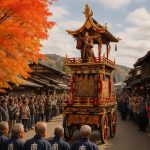
Introduction to New Year Celebrations at Japanese Shrines
In Japan, the New Year, or Shogatsu, holds great significance and is celebrated with a blend of ancient traditions and contemporary practices. One widely embraced custom is Hatsumode, the first shrine visit of the year. This practice involves offering prayers, seeking blessings, and aspiring for prosperity in the year to come. The experience is more than a simple visit; it encapsulates a deep respect for cultural heritage and the spiritual aspect of Japanese life.
The Tradition of Hatsumode
Hatsumode is not only a custom but a communal event, often shared with family and friends. Starting at midnight on December 31st or continuing into the early days of January, people across Japan make their way to local shrines. These visits are laden with traditions meant to honor deities and ancestors while inviting good fortune and health.
Main Activities During Hatsumode
Visitors engaging in Hatsumode typically follow a sequence of traditional rituals upon their arrival at the shrine. A significant initial step is the purification ritual at the Temizuya. This cleansing station, often located near the entrance, serves as a place to rinse the hands and mouth, symbolically washing away impurities so that individuals approach the shrine in a state of purity.
Following this ritual, visitors proceed to the main shrine building. Here, a routine of offering is performed. Participants toss a coin into a designated box, ring a bell to announce their presence to the deities, bow twice, clap twice, and finally, offer a silent or spoken prayer. This act is both a plea for personal aspirations in areas such as health, fortune, and personal happiness, as well as an offering of gratitude for the past year.
Omikuji and Amulets
A unique aspect of Hatsumode is the custom of drawing Omikuji, or fortune slips. These fortunes, which can predict anything from great luck to potential hardships, provide guidance for the upcoming year. Positive fortunes are often kept as a talisman, while negative ones can be tied to frames of designated trees or structures within the shrine’s grounds, a practice believed to help negate any misfortune.
Equally significant is the purchasing of Omamori, which are protective charms. These small amulets come in various forms and are believed to provide protection or blessings in specific life areas, including health, academic success, and relationships. This practice reflects a personal engagement with Shinto beliefs and highlights the importance of spiritual guardianship in everyday life.
Popular Shrines for New Year Visits
Japan boasts numerous famous shrines, many of which see a significant influx of visitors during the New Year celebrations. These shrines not only offer spiritual solace but also serve as cultural symbols representative of Japanese heritage.
Visitors to Meiji Jingu Shrine, located in the bustling heart of Tokyo, are drawn to its serene environment. Despite being situated in a modern urban setting, the shrine is surrounded by an expansive forest, offering a tranquil retreat that attract over three million attendees during the New Year period. The juxtaposition of historical reverence and natural beauty provides visitors with a unique experience, allowing for personal reflection away from the city’s constant motion.
In contrast, Fushimi Inari Taisha in Kyoto is famed for the striking visual impact of its thousands of vermilion torii gates. Walking through these gates while participating in Hatsumode is a visually stunning experience, underscoring the beauty of Japanese aesthetics blended with religious practice. The shrine is dedicated to Inari, the Shinto god of rice, and offers prosperity and success for the year to come.
Both shrines embody the spirit of Hatsumode and provide participants with an opportunity to engage deeply with cultural practices. For those unfamiliar with this tradition, visiting one of these renowned spots can serve as both an educational and transformative experience, offering insight into the unique cultural fabric of Japan.
For individuals interested in planning Hatsumode visits, more comprehensive information, including guides and logistics, can be accessed through various online platforms and official tourism sources such as the Japan National Tourism Organization.
Conclusion
Celebrating the New Year through the practice of Hatsumode at Japanese shrines offers an enriching blend of tradition, spirituality, and community participation. This custom provides individuals a chance to renew their spiritual beliefs, focus on personal goals, and enjoy the aesthetic and historical beauty of Japan’s shrines. Participating in Hatsumode, whether as a local or a visitor, allows one to embrace important elements of Japanese culture and gain a deeper understanding of its traditional customs as the new year commences.