Introduction to Awa Odori
The Awa Odori dance festival, celebrated in Tokushima Prefecture, stands as one of Japan’s most eminent traditional dance events. This vibrant festival takes place each August, welcoming over a million visitors globally. Renowned for its high-energy performances and rich cultural heritage, Awa Odori offers an unforgettable experience characterized by dynamic dances, spirited music, and a captivating atmosphere. The participants, known as ren, are formed in dance groups that parade through the streets, engaging spectators with their expertly coordinated movements and authentic costumes.
Historical Background
Awa Odori traces its origins back more than four centuries, with its inception in the Edo period. Over time, it has evolved into an event of substantial cultural prominence. Originally, Awa Odori was linked to Bon Odori, which is part of the Bon Festival—a time during which it is believed that ancestral spirits return to the earthly realm. Although it continues to be a cultural homage, Awa Odori has grown into a sensational tourist attraction that highlights the historical richness of the Tokushima region.
Awa Odori Dance Style
The essence of Awa Odori lies in its distinctive dance style. Dancers elevate their hands above their heads, complementing their rhythmic steps. The choreography is synchronized with the beat of traditional instruments such as the shamisen, taiko drums, and shinobue flutes, creating a compelling musical ambiance. The shared chant of the Awa Odori song echoes through the streets, enveloping both participants and onlookers in a united, vibrant celebration.
Costumes and Attire
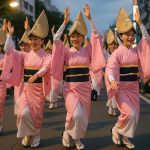
A pivotal aspect of the festival’s allure is the traditional costumes donned by its participants. Male dancers typically sport a simple but striking happi coat, while female participants wear a yukata, a summer kimono, often accompanied by woven amigasa hats. These costumes not only preserve the legacy of the festival but also enhance the visual splendor, contributing to the overall vibrancy and authenticity of the event.
How to Participate
For attendees eager to immerse themselves in the Awa Odori experience, joining a dance workshop is highly encouraged. These sessions are designed for beginners and provide valuable insights into the basic steps and the cultural narratives surrounding the dance. Engaging in these workshops allows visitors to interact intimately with local traditions, fostering a deeper appreciation of the festival and offering a hands-on feel of the excitement and communal spirit that Awa Odori encapsulates.
For those interested in detailed scheduling and logistical information, the official Awa Odori Festival website is a comprehensive resource, offering guidance on festival events and activities.
The Essentials of Awa Odori
A significant draw of the Awa Odori festival is its remarkable ability to blend the past with the present. While rooted in centuries-old practices, the festival has embraced contemporary influences to remain relevant and engaging. This dynamic interplay keeps the tradition alive, ensuring its transmission to future generations while captivating modern audiences.
The Role of Music in Awa Odori
Music plays a crucial role in the Awa Odori festival. Instruments like the shamisen, an integral string instrument, the powerful taiko drums, and the melodious shinobue flutes all unite to create an infectious rhythm. This engaging soundscape is critical in guiding the dancers’ movements and inspiring both participants and spectators to lose themselves in the joyous cadence.
The Cultural Significance of Awa Odori
Awa Odori is not merely an entertaining spectacle; it holds deep-rooted cultural importance. The dance serves as a vessel of cultural expression and community solidarity, embodying the spirit of Tokushima Prefecture. It is an occasion for honoring ancestors and celebrating the region’s history, ensuring that the cultural legacy endures and thrives among present and future generations.
Tourism and Economic Impact
Beyond its cultural significance, the Awa Odori festival has substantial economic implications. By attracting millions of tourists each year, it provides a significant boost to the local economy. The influx of visitors during the festival period supports local businesses, promotes regional crafts, and elevates the city’s international profile.
Engaging with Local Communities
Visitors participating in the festival engage directly with local communities, experiencing firsthand the warmth and hospitality of the locals. This interaction fosters a mutual exchange of culture and traditions, enriching the festival experience and enhancing cultural understanding and appreciation.
For those interested in engaging even deeper, Awa Odori offers numerous opportunities to learn more about the region through its variety of cultural programs and exhibits, alongside the vibrant dance performances. The official Awa Odori Festival website offers further details about these enriching opportunities.
By merging traditional practices with modern elements and drawing visitors into a cultural dialogue, Awa Odori exemplifies the enduring power of festive traditions to connect humanity across time and space, leaving an indelible mark on all who experience its wonders.