Exploring Traditional Crafts in Asakusa, Tokyo
Asakusa, located in the inner folds of the bustling metropolis of Tokyo, offers a rare chance to take a step back in time and engage with the time-honored traditions of Japanese culture. It is a district that perfectly marries the old with the new, with ancient shrines juxtaposed against modern buildings. At the heart of this district is an opportunity to immerse oneself in traditional crafts that not only serve as tangible products but also act as living testimonials to Japan’s vast and colorful artisanal history.
Nakamise Shopping Street
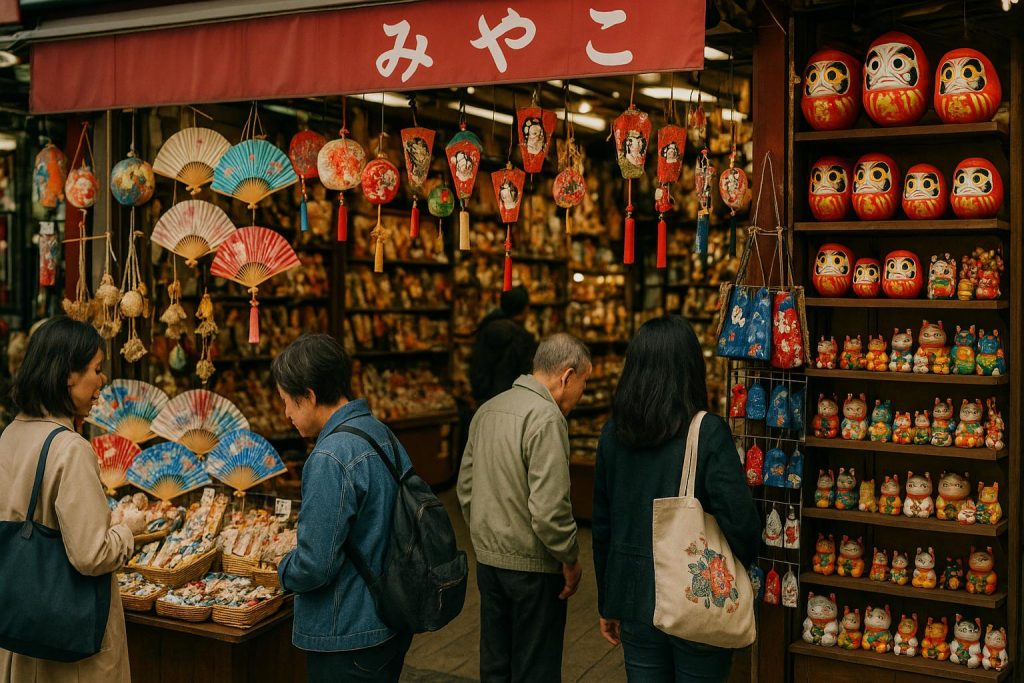
Nakamise Street serves as an artery that leads excited visitors from modern Tokyo into the spiritual oasis of the Senso-ji Temple. This bustling thoroughfare is not merely a passageway but rather a vibrant marketplace, each stall laden with treasures that encapsulate centuries of Japanese cultural practices. From intricately designed sensu or folding fans to the airy, comfortable summer wear of yukata, Nakamise provides a sensory overload of visual delights and tactile experiences. These crafts, while available to tourists, represent consistent efforts to preserve cultural heritage in everyday life.
Japanese Calligraphy
For individuals captivated by the graceful strokes of Japanese calligraphy, Asakusa is an indispensable stop. Specialty shops dedicated to the art form pepper this region, offering a variety of calligraphy tools including high-quality brushes, ink, and paper. For beginners, these items serve as a gateway into the world of calligraphy. Seasoned artists, on the other hand, may find these resources invaluable for advancing their skills. The significance of these shops lies not just in their products, but in their educational aspect: many offer demonstrations or workshops, providing insights into the techniques and philosophies behind this respected art form.
Traditional Pottery
Stepping into the world of traditional Japanese pottery in Asakusa is akin to walking through an unbroken chain of artistic evolution. Reflecting on historical craftsmanship, visitors can find exquisite examples of Kutani and Arita porcelain, characterized by intricate patterns and vibrant color palettes. These ceramics aren’t merely decorative artifacts; their functional design reflects the seamless fusion of beauty and utility. The making of pottery in Japan often involves overglaze techniques which allow for the signature, vivid designs. Through the careful selection and purchase of these pieces, visitors play a part in sustaining this age-old tradition.
The Edo Taito Traditional Crafts Center
The Edo Taito Traditional Crafts Center acts as a custodian of traditional crafts, offering a theatre where these timeless art forms are both exhibited and celebrated. This institution is an omni-platform that explores the depths of local craftsmanship. From the meticulous art of woodblock printing to the diverse textures of textile production, the center functions both as a museum and a vibrant hub for learning. It is where theory meets practice, and visitors find themselves not just observing but actively participating in the creative process. The inclusion of workshops and live demonstrations functions as an invitation to engage directly with artisans, allowing for a personal connection to form between observer and craft. This direct interaction is not just about learning techniques, but about understanding the stories and cultural contexts that give these items their real value.
Antique Shops and Specialty Stores
Beyond the historic Nakamise Street, Asakusa is speckled with a variety of antique shops and specialty stores. These stores harbor an eclectic array of traditional Japanese artifacts, offering shoppers unique souvenirs that go beyond the usual tourist fare. Kokeshi dolls, with their charming wooden simplicity, are emblematic of regional diversity and are often cherished as collector’s items. Similarly, lacquerware captivates with its polished finish and intricate designs, embodying a craft that dates back thousands of years. Noren curtains, which hang in doorways with their classic split design, serve both functional and decorative purposes and reflect the traditional aesthetics of Japanese interior decoration. Each piece available in these stores offers a window into a particular aspect of Japanese culture, be it through their design, their production method, or their usage in historical contexts.
In conclusion, the district of Asakusa operates as more than a tourist destination; it is a bridge to traditional Japan, rejuvenating its streets with the pulse of history and culture. As visitors traverse the bustling streets of Asakusa, they encounter not only tangible goods but the narratives and ethos of Japanese culture itself. Each crafted item represents an ongoing dialogue between past and present, enhancing the cultural fabric of modern Japan while maintaining a respectful homage to its roots. Whether through participatory workshops at the Edo Taito Traditional Crafts Center or leisurely browsing through Nakamise and other stores, one can find a rich tapestry of heritage in this area. Such experiences underscore the importance of preserving these crafts, ensuring they continue to inspire and educate future generations.