Understanding the Ryokan Experience
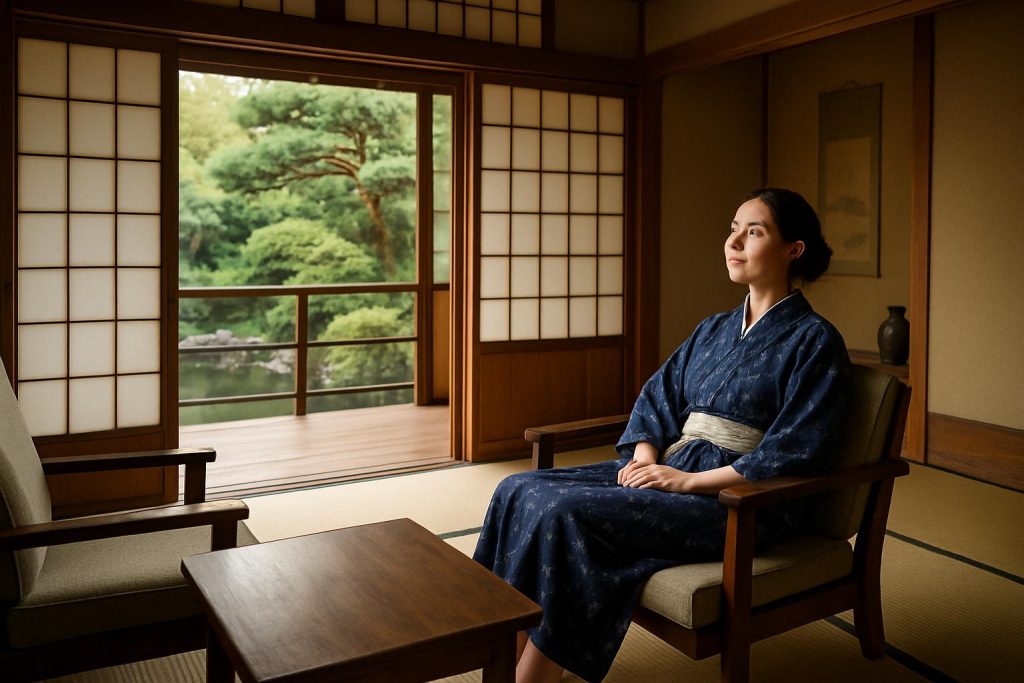
Staying at a ryokan during your visit to Japan provides a distinctive opportunity to fully engage with traditional Japanese culture, offering an experience unlike typical Western accommodations. Known for their tatami-matted rooms and unique ambiance, ryokans are more than just a place to sleep; they are a place to unwind and experience tranquility in its purest form. This traditional Japanese inn promises an escape into simplicity and serenity, enriched by the textures and customs of a bygone era.
Traditional Features of a Ryokan
One of the highlights of a ryokan stay is the immersion into traditional Japanese decor and practices. The guest rooms are marked by sliding shoji doors, which play a dual role—contributing to the aesthetic minimalism while also practically serving to save space. The design is intentional, focusing on minimalism to ensure that the room’s simplicity aids relaxation. Alongside the decor, each aspect of your stay, including the carefully arranged atmosphere, is aimed at soothing the mind.
An essential feature of a ryokan is the meals provided during your stay, typically served in your room, adding to the personalized experience. Dinners often consist of multiple courses of seasonal dishes, showcasing artistic presentation through culinary traditions such as kaiseki, a multi-course Japanese meal that elevates dining to an art form. Each dish is not only a flavor experience but also a visual feast, where the presentation reflects the season and local specialties. For deeper insight into traditional dining, exploring Kyo Kaiseki dining provides a robust understanding of this gastronomic adventure.
Onsen and Bathing Etiquette
The presence of onsen, or hot spring baths, is a cherished feature of many ryokans. These baths are derived from the nation’s rich geothermal activity and are valued for their ability to relax the body and soothe the mind. The practice of communal bathing in an onsen comes with a history of traditions and etiquette dating back centuries in Japan. Prior to entering the communal bath, guests must wash and rinse thoroughly to maintain the cleanliness of the shared water. This ritual purifies both body and spirit and exemplifies the respect shared among bathers.
Furthermore, bathers bring a small towel for modesty and practical use but leave it outside the onsen pool itself, ensuring the waters remain untouched by materials that might compromise their purity. Understanding and adhering to these customs not only shows respect for local traditions but also enriches the overall experience.
The Importance of Omotenashi
The concept of omotenashi, a central tenet of Japanese hospitality, is omnipresent during a ryokan stay. Omotenashi is about anticipating and fulfilling the needs of guests without expecting anything in return. It embodies a form of selfless service, contributing to an atmosphere where guests feel genuinely valued and appreciated.
The staff at a ryokan are trained to exhibit discretion and attentiveness, striving to quietly yet efficiently cater to your needs. Their aim is to remove any worry or discomfort, allowing you to enjoy your stay to the fullest. This unique approach to hospitality distinguishes a ryokan and ensures memories of personal touches and thoughtful services last long after your departure.
Booking Your Stay
Locating and selecting the perfect ryokan requires a consideration of personal preferences, namely the type of experience that you wish to have. Ryokans are scattered throughout Japan, each offering different styles— ranging from opulent establishments with private onsen facilities in-room, to those that provide a more authentic and rustic experience. Choosing a ryokan with local attractions, scenic beauty, or places of interest based on your itinerary can enrich your overall travel experience in Japan.
For those interested in making a booking, utilizing experienced travel services such as JAPANiCAN allows you to find a ryokan that aligns with your preferences. These services provide a wealth of information, comparative options, and often customer reviews to guide you to the ryokan that fits your desire for luxurious pampering or simple authenticity.
In conclusion, staying at a ryokan during a trip to Japan offers an incomparable cultural experience that enriches one’s understanding of Japanese traditions and hospitality. The unique blend of historical customs, decor, dining, and service creates an atmosphere that is both educational and relaxing. Embracing these aspects allows one to gain a deeper appreciation for the nuanced cultural practices that have defined Japanese hospitality. Whether enjoying the simplicity of the tatami rooms or the warmth of the communal onsen, a ryokan stay artfully combines tradition and relaxation in the heart of Japan.