Introduction to 100-Yen Shops
Japan, renowned for its blend of tradition and modernity, offers numerous attractions for visitors, and one of the delightful shopping experiences awaiting travelers is the 100-yen shop. These stores have become a staple in Japanese retail culture, providing customers with a vast selection of products, usually priced at ¥100 per item. For those traveling on a budget, 100-yen shops present an ideal opportunity to purchase unique and affordable souvenirs.
Popular 100-Yen Shop Chains
Among the many chains of 100-yen shops, Daiso stands out as one of the most prominent names. With stores not only in Japan but also internationally, Daiso is celebrated for its broad array of products, which maintain a balance between affordability and quality. Beyond Daiso, other chains like Seria and Can Do offer shoppers their distinctive selections, ensuring a diverse shopping experience no matter which store you enter.
Product Variety
The appeal of 100-yen shops lies in the sheer variety of products they stock. Items span numerous categories, including kitchenware, stationery, toys, cosmetics, and more. Seasonal items are also a staple, reflecting Japan’s appreciation for patterns and themes that align with the time of year. Moreover, these stores feature an assortment of Japanese products that are perfect for anyone inclined towards authentic local souvenirs.
Kitchenware and Home Goods
Contrary to what one might assume given their low prices, 100-yen shops offer an impressive range of kitchenware and home goods. Visitors can find everything from rice bowls and chopsticks to tea sets and decorative ceramics. These items are available at a fraction of the price fixed in specialty stores, making them an excellent choice for visitors keen on introducing a touch of Japanese style into their homes.
Stationery and Craft Supplies
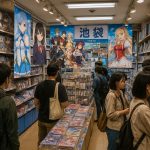
100-yen shops are renowned for their unique stationery and craft supplies. They cater to fans of Japanese stationery by providing an extensive collection of notebooks, pens, craft materials, decorative tapes, and stickers. The aesthetic appeal and quality designs found in these products often draw in individuals who value the artistry associated with Japanese craftsmanship.
Traditional and Cultural Items
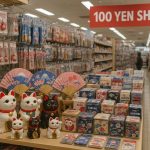
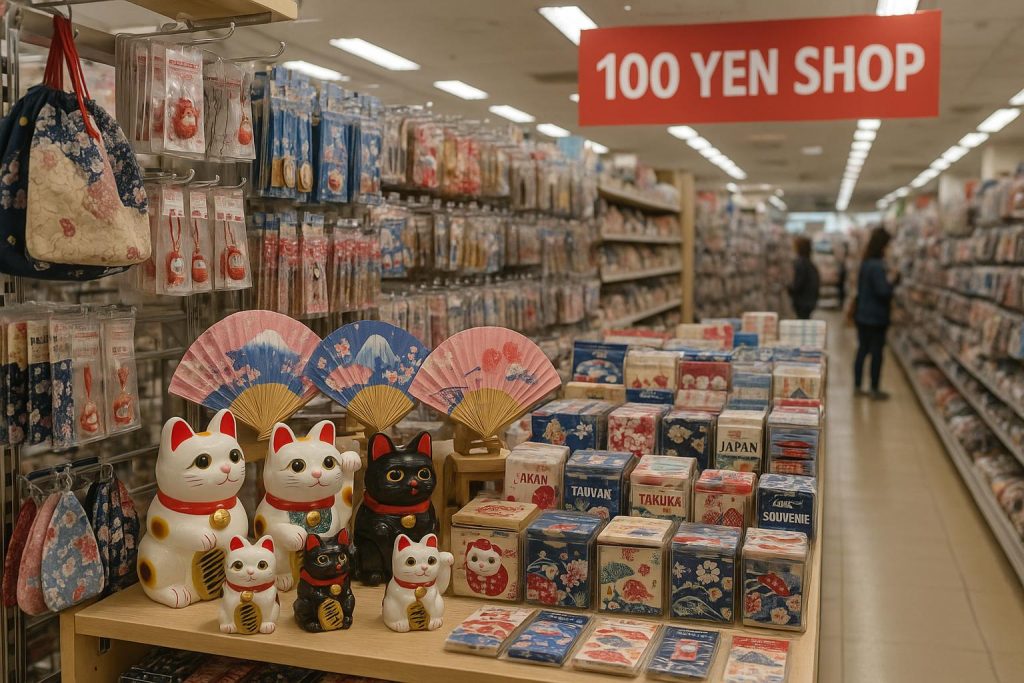
Tourists aiming to bring back a piece of Japanese tradition will find an array of traditional and cultural items within these shops. In stores, you can discover charming fans, small kimonos, origami paper, and handcrafted accessories. These items not only serve as beautiful souvenirs but also offer a tangible connection to Japan’s rich cultural heritage.
Shopping Tips
Shopping at 100-yen shops can be a rewarding experience if approached with a few helpful tips in mind. Exploring different chains can reveal a greater variety of stock, as each chain may offer its unique selection of items. Inspect items for quality, as the cost-effective mass production of goods means there can be variability in standards.
It is prudent to remember that prices may exceed ¥100 when taxes are included, so plan your budget accordingly by accounting for potential extra costs. While most larger stores accept credit cards, smaller outlets might prefer cash transactions, so carrying cash can be advantageous.
Benefits of Visiting 100-Yen Shops
100-yen shops serve both practical and cultural purposes. They provide affordable solutions to everyday needs while simultaneously offering a platform to explore Japanese culture through tangible items. The affordability of these items allows visitors to indulge in a shopping spree without financial strain, making them an indispensable stop for tourists and locals alike.
Environmental Considerations
In an era where sustainability is of increasing concern, some 100-yen shops have begun taking steps towards environmentally friendly practices. Examples include offering biodegradable options or reducing plastic usage. Consumers conscious of environmental sustainability can look out for such initiatives as part of their shopping decisions.
Bringing Japan Back Home
Purchasing items from 100-yen shops offers visitors a chance to bring back a snippet of Japan with them. Each item, be it a traditional artifact or a contemporary household tool, tells a story. These products are more than just items; they reflect the blend of ancient traditions and modern innovations that define Japanese society.
Conclusion
In summary, 100-yen shops represent a unique aspect of Japanese retail culture, providing extensive variety at accessible prices. From kitchenware to cultural treasures, these stores accommodate those searching for practical items or symbolic mementos of their Japanese adventure. As affordable shopping destinations, they embody both societal innovation and cultural preservation, offering a window into Japanese ways of living.
For further exploration into the experiences awaiting you in Japan, consider browsing websites such as Japan Guide or the Japan National Tourism Organization, where additional travel tips and insights can help enrich your visit.