Introduction to Pachinko Gaming
Pachinko, a fusion of recreational arcade gaming and cultural tradition, has emerged as a significant pastime in Japan. With elements reminiscent of both pinball and slot machines, pachinko offers an engaging activity that intrigues both experts and casual players. Despite being straightforward by nature, the game captivates participants through its unique blend of luck and minimal skill requirements. In Japan, pachinko parlors are as much an entertainment hub as they are a part of the social and economic fabric.
Pachinko Game Mechanics
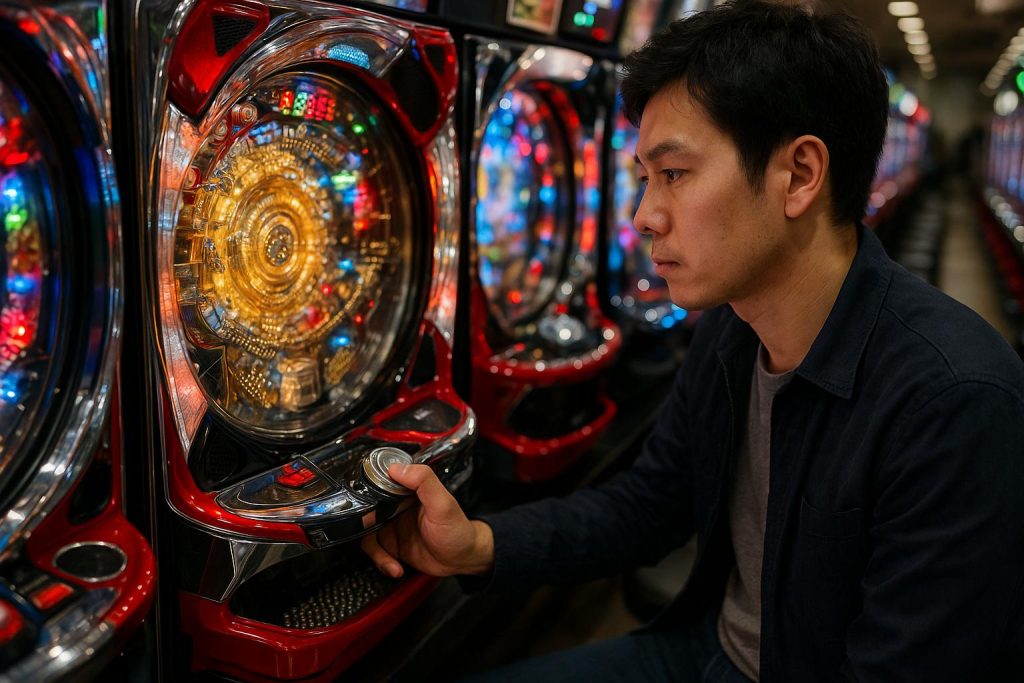
The heart of pachinko lies in its game mechanics, an intriguing system that captivates players with a fascinating mix of chance and strategy. Players launch small, steel balls into an upright playing field, utilizing a spring-loaded lever to propel them. The playing field is speckled with numerous pins, guiding the balls toward specific pockets. Landing a ball into these designated slots triggers mechanisms similar to those found in slot machines. This fusion of mechanics decides whether the player acquires additional balls, wins a prize, or needs to try again.
The diversity in pachinko machine designs adds an extra layer of allure to the game. Although the core gameplay remains the same, variations in machine setup and themes keep players intrigued, ensuring a fresh experience each time they engage with the game. Whether through traditional setups or machines featuring advanced digital interfaces, pachinko provides an open playground for its enthusiasts.
The Cultural Significance of Pachinko
Beyond the tantalizing gleams and clattering balls, pachinko holds a profound place in Japanese cultural life. It is not merely a game but a phenomenon that intertwines with both historical and modern social paradigms. For many Japanese, pachinko serves as a vital recreational activity, offering a much-needed respite from the hustle and bustle of daily life.
Pachinko parlors, bustling with energy and vibrant with colors, double as social venues where players cultivate a sense of community. Regular patrons may form connections with one another, forging friendships over shared experiences and mutual enjoyment of the game. In this sense, pachinko parlors fulfill a role reminiscent of old community centers, creating a localized network amongst players from diverse backgrounds.
Economic Implications
Economically, the pachinko industry dwarfs many traditional forms of gaming. It is a powerhouse, contributing significantly to Japan’s economy. From employment to manufacturing and logistics, the industry sustains a multitude of related businesses. It’s an intricate web of economic influence, with each aspect playing a crucial role in maintaining its profitability and growth.
Known for generating billions in revenue annually, pachinko parlors are ubiquitous in their presence across Japan, affirming their economic and cultural gravitas. Despite this, pachinko remains subject to stringent regulations, and any shifts in legislation have the potential to impact operations. Understanding these dynamics offers an appreciation for pachinko’s extensive economic footprint and its lasting significance in the broader economic landscape.
Modern Pachinko Parlors
Over the years, pachinko parlors have embraced technological evolution, transforming the classic experience into something that appeals to contemporary audiences. The once purely mechanical devices have integrated digital elements, attracting a more varied demographic than ever before. Modern machines are adorned with a plethora of themes ranging from anime to world history, pulling in fans from multiple niches.
These parlors are designed to mesmerize, awash with bright lights and buoyed by soundscapes that enhance the overall gaming ambiance. Such environments are not just visually stimulating but also acoustically inviting, appealing to the senses and creating an unforgettable experience. Interested in exploring a pachinko parlor in your area? Consult this guide for insights into locations that may offer the thrill of pachinko gaming.
Conclusion
In conclusion, pachinko embodies a unique blend of cultural and recreational dynamics in Japan. It offers an irresistible gaming experience to both locals and global visitors, characterized by its mix of luck, minimal skill, and cultural immersion. Through the centuries, pachinko has evolved from a primitive mechanical game to an industry giant with vast economic implications and societal influence.
By delving into the fascinating world of pachinko, one gains more than entertainment; they acquire a deeper understanding of a cultural tradition woven intricately into the fabric of Japanese society. Exploring pachinko aligns one with a distinctive facet of Japanese leisure, cementing its role not just as a game, but as an enduring legacy of Japanese culture and economic prowess.