Introduction to the Sumida River Fireworks Festival
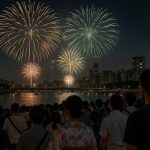
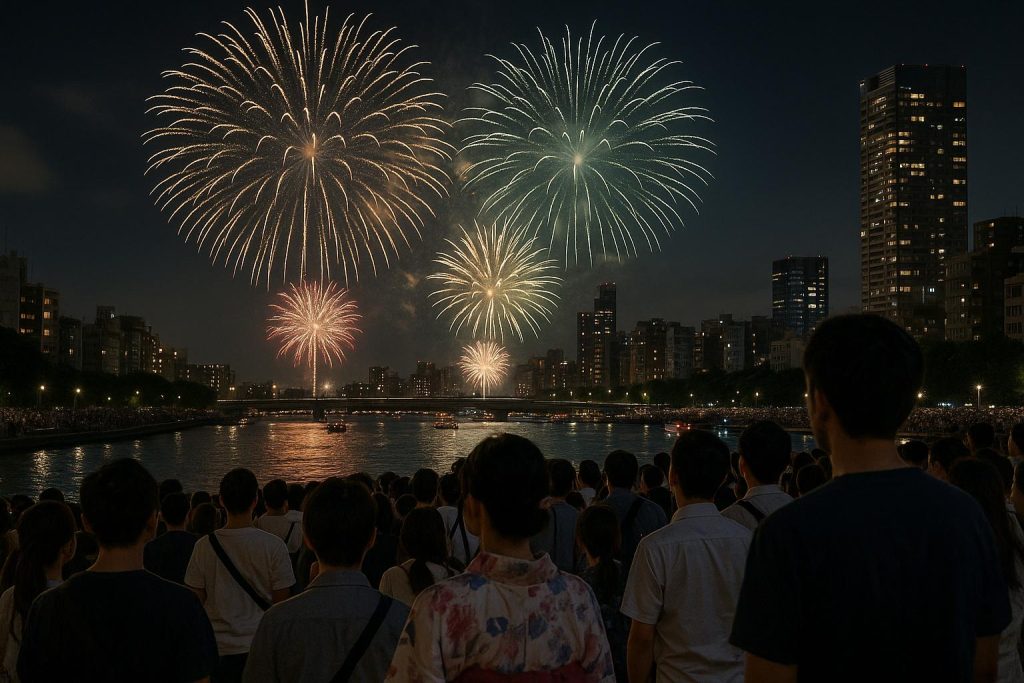
The Sumida River Fireworks Festival, widely recognized as the “Sumidagawa Fireworks Festival” or “Sumidagawa Hanabi Taikai” in Japanese, stands as one of Japan’s most celebrated fireworks extravaganzas. Typically unfolding on the final Saturday of July, this event draws the attention of over a million spectators annually. Set along the picturesque banks of the Sumida River, which weaves through Tokyo, attendees can anticipate an impressive spectacle of colors and patterns lighting up the summer night’s sky.
History of the Festival
The heritage of the Sumida River Fireworks Festival harks back to the Edo period. Its inception in 1733 served a dual purpose: providing entertainment during challenging times of famine and acting as a ritual to repel evil spirits while commemorating those who had passed away. As the decades rolled on, the festival morphed into a cherished cultural gathering that showcases the Japanese artistry of pyrotechnics. This evolution reflects not only the technical advances in firework displays but also a steadfast dedication to preserving a tradition that bridges the past with the present.
Location and Timing
Positioned along the scenic Sumida River, the festival finds its locale specifically between the Azumabashi Bridge and Sakurabashi Bridge. Activities usually kick-off around 7:00 PM, carrying on for roughly 90 minutes. To ensure a prime viewing location amidst the bustling crowds, arriving several hours prior to the start is typically recommended.
Event Highlights
A standout feature of the festival is the friendly rivalry between two competing firework companies, each showcasing their prowess through a dazzling array of over 20,000 fireworks. This competitive spirit injects an extra layer of excitement as the companies vie to surpass each other with intricate and eye-catching displays. Beyond the pyrotechnics, the festival ambiance is enriched by the presence of traditional food and drink stalls lining the river, offering attendees a delectable taste of Japanese summer flavors and fare.
Tips for Attending
For those preparing to experience the Sumida River Fireworks Festival, a bit of forethought can significantly enhance the outing. Consider the following recommendations:
Arrive Early: With the festival’s immense popularity and the resultant massive turnout, securing a favorable spot necessitates an early arrival.
Bring Essentials: Packing essentials such as a seating mat, snacks, water, and perhaps a fan will ensure comfort, especially if temperatures rise.
Use Public Transport: Due to the sheer volume of attendees, public transportation is the most pragmatic option. Nearby train stations include Asakusa and Oshiage.
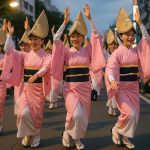
Wear Comfortable Clothing: While traditional yukatas remain a popular sartorial choice among festival-goers, the priority should be comfort, embracing any relaxed attire.
Stay Updated on Weather: Monitoring the weather forecast proves crucial as unforeseen adverse conditions could lead to a postponement.
Experience and Significance
Participation in the Sumida River Fireworks Festival embodies a quintessential summertime activity in Tokyo, presenting a window into traditional Japanese culture while simultaneously offering an awe-inspiring pyrotechnic showcase. This yearly event is more than just a visual treat; it functions as a communal celebration rooting back centuries, offering connections to both history and contemporary society. The experience of attending the festival is a blend of personal and collective joy, engaging all senses, from the breathtaking sight of fireworks bursting against the night sky to the melodic hum of conversations and soundtracks echoing through the streets.
Historical Context and Development
The festival’s historical roots are deeply entrenched in Japan’s socio-cultural fabric. Established in a time when such public displays were relatively rare, the Sumida River Fireworks Festival provided a much-needed reprieve and a source of collective resilience. As street cries replaced mournful silences, the festival became symbolic of hope and survival. Fast forward to the present era, where this event, while vastly elaborate, still honors its foundational themes, bridging the poignant past events with contemporary celebrations.
Modern Adaptations
Today’s festival has integrated modern elements alongside its traditional roots. The fireworks themselves have evolved, incorporating cutting-edge technology to enhance vibrancy, clarity, and complexity. Pyrotechnicians now employ computer-aided designs, allowing for breathtaking synchronizations and thematic displays that narrate stories through sparks and flares. Additionally, efforts are made to reduce the environmental impact, addressing modern-day concerns.
For visitors eager to further explore this spectacle, comprehensive details can be accessed on the official Tokyo tourism website, which provides valuable insights and updates pertaining to the festival.
Conclusion
In summary, the Sumida River Fireworks Festival is a must-experience event for those visiting Tokyo in the summer. It offers a rich tapestry of historical significance, cultural traditions, and captivating performances. As the myriad of fireworks dance across the sky, they weave stories that resonate with both the past and present, leaving lasting impressions on those gathered along the Sumida River. The festival’s enduring legacy serves as a testament to Japan’s deep-rooted cultural heritage and its continual appreciation for the art of celebration.