Enjoy the colorful Koyo (autumn leaves) season.

Understanding Koyo

The term Koyo refers to the enchanting spectacle of autumn leaves changing colors, synonymous with similar natural phenomena occurring globally. In Japan, this event is marked by the vibrant hues of maple and ginkgo trees as they transition through a stunning range of colors. From September to December, Japan witnesses this natural transformation, with peak viewing times varying due to the country’s distinctive and diverse geography.

Geographic Variations in Koyo

The geographical span and climatic diversity of Japan mean that the experience of Koyo can vary significantly across the country. Northern regions, such as Hokkaido, are among the first to witness the color changes, starting around mid-September. As one moves southwards, regions like Kyushu witness their peak autumn colors towards November. This staggered pattern of foliage change affords both locals and tourists prolonged opportunities to savor this breathtaking natural display throughout the country.

Famous Locations for Koyo Viewing

Japan boasts numerous renowned locations celebrated for their phenomenal displays of fall foliage, drawing visitors from all corners of the globe. Among these, the following are particularly noteworthy.

Kyoto: Renowned for its historic temples and meticulously designed gardens, Kyoto offers a picturesque backdrop for Koyo. Among its many attractions, the Arashiyama district and Tofuku-ji Temple are iconic for their stunning displays of autumn colors. These sites not only offer visual pleasures but also provide a serene atmosphere rich with cultural and historical significance.

Nikko: Found north of Tokyo, Nikko is famous for its stunning national park, where vibrant forests and captivating waterfalls combine to create a perfect setting for observing autumn’s beauty. The natural surroundings, steeped in cultural heritage, make it a deeply enriching experience.

Hakone: Known equally for its brilliant foliage and therapeutic hot springs, Hakone offers breathtaking views of Mount Fuji. The area’s beauty can be best appreciated from the Hakone Tozan Railway, providing travelers with a panoramic experience of the region’s natural splendor.

For additional travel planning details, such as peak viewing times and tourist information, you may want to browse tourism websites that provide abundant resources and itineraries for Koyo enthusiasts.

The Cultural Significance of Koyo

Koyo transcends being a mere visual event; it carries profound cultural significance in Japanese society. The practice of Momijigari, or “maple leaf hunting,” is a longstanding tradition that underscores the Japanese appreciation for the changing seasons. During Koyo, people partake in various outdoor activities and festive celebrations that honor the shifting natural landscapes. This cultural engagement reflects an intrinsic harmony with nature, deeply rooted in the Japanese way of life.

Best Practices for Viewing

To fully immerse in the Koyo season experience, consider visiting sites early in the morning or during weekdays to steer clear of the larger crowds. Monitoring local forecasts and planning your visit to coincide with peak foliage dates will enhance your overall experience. Moreover, photography enthusiasts might want to bring equipment suitable for capturing the majestic landscapes to make the most of this season’s photographic opportunities.

Understanding the intricacies of Koyo can greatly enhance your appreciation of this remarkable natural event. By exploring the interconnectedness of seasonal changes and cultural activities in Japan, you can gain a deeper insight into a tradition that beautifully marries nature with cultural heritage. For individuals seeking more comprehensive information on seasonal changes, Koyo, and related cultural activities, exploring Japanese travel and culture portals can be immensely beneficial. These resources can provide further insights into the planning and appreciation of this stunning seasonal phenomenon.

Visit the Takayama Autumn Festival.

Overview of the Takayama Autumn Festival

The Takayama Autumn Festival is a captivating event that stands out among Japan’s numerous cultural celebrations. Renowned for its vivid displays and deeply entrenched traditions, this festival, also referred to as the Takayama Hachiman Festival, is held in the picturesque city of Takayama located in the Gifu Prefecture. Annually celebrated on October 9th and 10th, it represents a momentous time that draws both local residents and tourists from various parts of the world.

The Historical Significance

Delving into the historical roots of the Takayama Autumn Festival reveals a tradition rich in culture that traces back to the 17th century. Initially, the event was conceived as a gesture of reverence towards the deities enthroned at the Hachiman Shrine, a highly respected Shinto shrine in the area. The festival symbolizes not only the change of seasons but also a communal expression of thankfulness for the year’s bountiful harvest. Over time, it has grown into a grand exposition of art, culture, and spiritual reflection.

Highlights of the Festival

The festival is acclaimed for its vibrant and colorful highlights, which include:

Yatai Floats:

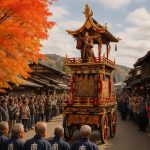
Central to the festival is the procession of luxuriously adorned floats, known as yatai. Each float is a testament to the intricate skills and creativity of Takayama’s craftsmen, showcasing elaborate carvings and embellished decor. Parading through the streets during the festival, these yatai present an awe-inspiring spectacle to all spectators.

Karakuri Puppets:

A remarkable feature of the festival is the traditional karakuri puppet performances. These puppets are operated by intricate mechanical systems that bring to life scenes from ancient folklore, captivating audiences with their realistic and animated expressions.

Night Procession:

The yomatsuri or night procession stands out as a centerpiece of the festival, offering a bewitching atmosphere. Adorned with glowing lanterns, the floats create an enchanting visual display as they make their way through the city’s streets under the starlit sky.

Access and Accommodation

Reaching Takayama is fairly straightforward, as it is well-connected by the Takayama Main Line, allowing easy access from various major cities across Japan. However, given the festival’s popularity, it’s crucial for prospective attendees to arrange accommodation well ahead of time. Opting for a stay in a ryokan, or traditional Japanese inn, can enrich the cultural experience, offering insights into Japanese hospitality and time-honored customs.

Cultural Etiquette

Respect for local customs is paramount when participating or observing the festival. Visitors and participants are urged to dress modestly and engage respectfully with the festival’s festivities. While photography is generally permitted, it’s always courteous to be mindful of the context and location when taking photos.

Further Information

For additional insights, including detailed festival schedules and travel advice, please visit the Takayama Tourist Information site. This resource offers a wealth of information to support your travel arrangements.

The Takayama Autumn Festival is more than just an event; it is an immersion into the rich cultural tapestry of Japan, offering participants a chance to engage deeply with historical and artistic Japanese traditions. By being a part of this festival, visitors not only witness the traditions passed down through generations but also become part of a cultural narrative that is vibrant, educational, and timeless.

Upon arrival in Takayama, one can immediately feel the city’s unique atmosphere that blends historical charm with vibrant cultural practices. Narrow streets lined with wooden houses and traditional storefronts set the scene for what is one of the most aesthetically pleasing festivals in Japan. Outside the immediate festival attractions, there is much to explore within the city itself, with historical districts providing a glimpse into Japan’s architectural past.

In particular, Sanmachi Suji, a well-preserved district in Takayama, offers both locals and tourists a view into the Edo period’s influence on architecture. Walking through these streets, one can experience numerous sake breweries and local shops, each with a history as rich as the festival itself. Immersing in the flavors and crafts of Takayama helps deepen one’s appreciation for the city’s cultural heritage.

Plan your visit to the festival around an array of experiences that go beyond the festival festivities themselves. While in town, take the opportunity to explore local markets that often feature artisan products and traditional foods. Visitor interactions with local craftsmen and vendors can provide additional context and stories about the festival’s history and evolution. This personal engagement with the region’s people and their crafts enriches the overall experience.

For those interested in combining exploration with cultural learning, attending workshops or demonstrations on karakuri puppet-making can be enlightening. These workshops often dive into the complexities of the mechanical designs that have fascinated people for centuries. Understanding the effort and artistry involved in these intricate creations brings a deeper level of appreciation when watching the stunning performances during the festival.

Beyond its entertainment and visual appeal, the Takayama Autumn Festival serves as an authentic expression of community spirit. It is a testament to the harmonized efforts of the city’s inhabitants who work collaboratively to ensure each year’s festival is successful and memorable. This sense of community is palpable, and for participants, it provides an extraordinary opportunity to connect with this spirit.

Participation in the Takayama Autumn Festival, whether as an observer or an active participant, gives one the chance to live through the traditions and rituals that have been cherished over generations. These traditions offer profound insights into not just Takayama’s culture, but more broadly, the richness of Japanese heritage. Each element of the festival, from the yatai floats to the karakuri puppets, narrates stories of a community deeply rooted in tradition yet vibrant with creativity. As you experience this immersive cultural odyssey, you carry forward the spirit of Takayama, etched in memories long after the festival concludes.

Participate in the Awa Odori dance festival in Tokushima.

Introduction to Awa Odori

The Awa Odori dance festival, celebrated in Tokushima Prefecture, stands as one of Japan’s most eminent traditional dance events. This vibrant festival takes place each August, welcoming over a million visitors globally. Renowned for its high-energy performances and rich cultural heritage, Awa Odori offers an unforgettable experience characterized by dynamic dances, spirited music, and a captivating atmosphere. The participants, known as ren, are formed in dance groups that parade through the streets, engaging spectators with their expertly coordinated movements and authentic costumes.

Historical Background

Awa Odori traces its origins back more than four centuries, with its inception in the Edo period. Over time, it has evolved into an event of substantial cultural prominence. Originally, Awa Odori was linked to Bon Odori, which is part of the Bon Festival—a time during which it is believed that ancestral spirits return to the earthly realm. Although it continues to be a cultural homage, Awa Odori has grown into a sensational tourist attraction that highlights the historical richness of the Tokushima region.

Awa Odori Dance Style

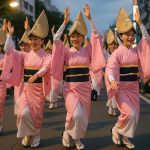
The essence of Awa Odori lies in its distinctive dance style. Dancers elevate their hands above their heads, complementing their rhythmic steps. The choreography is synchronized with the beat of traditional instruments such as the shamisen, taiko drums, and shinobue flutes, creating a compelling musical ambiance. The shared chant of the Awa Odori song echoes through the streets, enveloping both participants and onlookers in a united, vibrant celebration.

Costumes and Attire

A pivotal aspect of the festival’s allure is the traditional costumes donned by its participants. Male dancers typically sport a simple but striking happi coat, while female participants wear a yukata, a summer kimono, often accompanied by woven amigasa hats. These costumes not only preserve the legacy of the festival but also enhance the visual splendor, contributing to the overall vibrancy and authenticity of the event.

How to Participate

For attendees eager to immerse themselves in the Awa Odori experience, joining a dance workshop is highly encouraged. These sessions are designed for beginners and provide valuable insights into the basic steps and the cultural narratives surrounding the dance. Engaging in these workshops allows visitors to interact intimately with local traditions, fostering a deeper appreciation of the festival and offering a hands-on feel of the excitement and communal spirit that Awa Odori encapsulates.

For those interested in detailed scheduling and logistical information, the official Awa Odori Festival website is a comprehensive resource, offering guidance on festival events and activities.

The Essentials of Awa Odori

A significant draw of the Awa Odori festival is its remarkable ability to blend the past with the present. While rooted in centuries-old practices, the festival has embraced contemporary influences to remain relevant and engaging. This dynamic interplay keeps the tradition alive, ensuring its transmission to future generations while captivating modern audiences.

The Role of Music in Awa Odori

Music plays a crucial role in the Awa Odori festival. Instruments like the shamisen, an integral string instrument, the powerful taiko drums, and the melodious shinobue flutes all unite to create an infectious rhythm. This engaging soundscape is critical in guiding the dancers’ movements and inspiring both participants and spectators to lose themselves in the joyous cadence.

The Cultural Significance of Awa Odori

Awa Odori is not merely an entertaining spectacle; it holds deep-rooted cultural importance. The dance serves as a vessel of cultural expression and community solidarity, embodying the spirit of Tokushima Prefecture. It is an occasion for honoring ancestors and celebrating the region’s history, ensuring that the cultural legacy endures and thrives among present and future generations.

Tourism and Economic Impact

Beyond its cultural significance, the Awa Odori festival has substantial economic implications. By attracting millions of tourists each year, it provides a significant boost to the local economy. The influx of visitors during the festival period supports local businesses, promotes regional crafts, and elevates the city’s international profile.

Engaging with Local Communities

Visitors participating in the festival engage directly with local communities, experiencing firsthand the warmth and hospitality of the locals. This interaction fosters a mutual exchange of culture and traditions, enriching the festival experience and enhancing cultural understanding and appreciation.

For those interested in engaging even deeper, Awa Odori offers numerous opportunities to learn more about the region through its variety of cultural programs and exhibits, alongside the vibrant dance performances. The official Awa Odori Festival website offers further details about these enriching opportunities.

By merging traditional practices with modern elements and drawing visitors into a cultural dialogue, Awa Odori exemplifies the enduring power of festive traditions to connect humanity across time and space, leaving an indelible mark on all who experience its wonders.

See the Sapporo Snow Festival in Hokkaido.

Overview of the Sapporo Snow Festival

The Sapporo Snow Festival is a prominent annual event held in Sapporo, the capital of Hokkaido, Japan. Initially started in 1950, the festival has gained international recognition for its large-scale snow and ice sculptures. Typically taking place in early February, the event attracts over two million visitors from around the globe each year.

Key Locations of the Festival

The festival is spread across three main sites, each offering distinct experiences:

Odori Park

Located in the heart of Sapporo, Odori Park hosts the festival’s largest attractions, featuring massive snow sculptures that sometimes reach heights of up to 15 meters. These sculptures often depict famous personalities, iconic buildings, and scenes from popular culture.

Susukino Site

Known for its stunning ice sculptures, the Susukino Site is a hub for nighttime entertainment and dining. The area is illuminated with vibrant lights that enhance the intricate details of the ice artworks, providing a unique visual experience.

Tsu Dome Site

The Tsu Dome Site is particularly family-friendly, offering snow slides, rafting, and a variety of activities suitable for children. This site is also equipped with indoor spaces where visitors can enjoy food and various events.

Festival Activities and Experiences

In addition to viewing the sculptures, visitors can enjoy numerous activities. Snowmen-building competitions and snowball fights are popular pastimes. Local and international artists contribute to the event by crafting original sculptures, engaging in competitions that draw artistic talents from around the world.

Cultural and Culinary Experiences

With a range of regional foods available, the festival is an opportunity to sample Hokkaido’s renowned cuisine, including fresh seafood, local dairy products, and unique dishes like Sapporo ramen. Visitors often explore the local culture through food booths scattered across the festival grounds.

Transportation and Accessibility

Sapporo is well-connected by public transportation, making it possible to access the festival sites easily. The city’s efficient subway and bus systems provide convenient travel options for international tourists, with signage often available in multiple languages.

A Deeper Dive into Odori Park

Odori Park serves as the central focus of the Sapporo Snow Festival with its extensive lineup of snow sculptures. As the park stretches over 1.5 kilometers, it showcases artful creations that include both small delicate designs and impressive large statues. Artists from around the globe participate to exhibit their talents, thereby transforming the park into a temporary museum of snow art.

The park is also home to various stages that host numerous performances and events. Visitors can enjoy traditional Japanese dances, local music acts, and even international performances. The lively atmosphere is complemented by various food stalls offering traditional Hokkaido delicacies, enabling visitors to savor the region’s gastronomical delights as they explore the sculptures.

Exploring Susukino Site Further

The Susukino site transforms into an icy wonderland during the festival, featuring illuminated ice statues that captivate the imagination. The play of colored lights on the crystal-clear ice creates a surreal and enchanting environment. At this site, one can witness firsthand the intricate work that goes into each creation, as the delicate carving showcases the expertise of the artists.

Additional attractions include ice bars where visitors can enjoy beverages served in glasses made of ice. Visitors stroll through streets lined with lights and ice sculptures, experiencing the bustling nightlife of Susukino. This contrast of ice elegance against the vibrant city life makes Susukino a must-visit during the festival.

The Tsu Dome’s Unique Offerings

The Tsu Dome site stands out for its family-oriented activities, providing an excellent outlet for children and adults alike. From exciting snow slides to exhilarating snow rafting, the site ensures fun for all ages. The expansive grounds provide ample space for various snow-related activities that delight visitors of all generations.

Beyond outdoor fun, the dome itself houses multiple attractions. Inside, visitors can find cosplay shows, exhibitions, and food courts that serve an array of delicacies. This indoor facility makes Tsu Dome a favorite among families, offering a warm retreat while maintaining the festive atmosphere.

Understanding the Festival’s Impact

The Sapporo Snow Festival not only provides an incredible visual and cultural experience but also plays a significant role in the local economy. The influx of tourists provides a boon to regional businesses, with increased demand for hotels, restaurants, and local shops during the festival period. This economic impact is critical, particularly in the winter months when tourism could otherwise slow down.

Moreover, the festival promotes cultural exchange by bringing together people from various backgrounds to appreciate interconnected art and culture. It serves to enhance Sapporo’s reputation as a global city, highlighting its artistic achievements while fostering community engagement and global collaboration.

Preparing for Your Festival Visit

When planning to visit the Sapporo Snow Festival, there are several considerations to ensure an enjoyable experience. Due to the cold Hokkaido winters, dressing appropriately in warm layers, including thermal wear, is essential. Visitors should also consider having waterproof and insulated footwear to comfortably navigate snowy and icy paths.

For those who plan to capture the beauty of the festival through photography, bringing a camera capable of low-light performance is advisable, as many sculptures are best viewed or photographed during the evening when they are artistically lit. Prior reservations for accommodations are highly recommended given the high visitor turnout, ensuring a comfortable stay throughout the festival.

Further Information

For additional details, event schedules, or planning a visit, you can explore the official Sapporo Snow Festival website to stay updated on this celebrated winter spectacle.

In conclusion, the Sapporo Snow Festival stands as a stunning celebration of art, culture, and winter beauty. Through its artistry in snow and ice sculptures, its varied cultural offerings, and the vibrant activities at its three distinct sites, the festival continues to enchant visitors and locals alike, firmly establishing its place as a worldwide attraction not to be missed.

Enjoy fireworks festivals in summer.

About Fireworks Festivals

Fireworks festivals serve as iconic elements of summer celebrations across various countries worldwide. Combining the dazzling display of fireworks with a rich tapestry of cultural and traditional festivities, these events are meticulously designed to captivate audiences of all ages. The grand displays are often meticulously choreographed, set against musical backdrops that enhance the dramatic impact of the fireworks, creating an immersive experience for spectators. The magnitude of these festivals varies significantly, ranging from small, community-based local events to grand-scale international competitions featuring renowned pyrotechnicians from different parts of the globe. This diversity in scope makes fireworks festivals a versatile celebration, appealing to a wide array of audiences and cultural preferences.

History of Fireworks

The historical roots of fireworks trace back to ancient China, where they were first employed not only for celebratory purposes but also to ward off malevolent spirits. Over time, the role of fireworks evolved beyond their mystical and superstitious origins, adopting a universally celebratory symbolism that resonated across various cultures worldwide. As the centuries progressed, both the technology and artistry associated with fireworks underwent substantial advancements. Modern fireworks feature complex designs and patterns, and innovations in chemistry have allowed for a broader array of colors and effects. Additionally, increased emphasis on safety protocols has contributed to making spectacular displays safer for both participants and spectators.

Popular Destinations for Fireworks Festivals

Numerous countries are renowned for hosting spectacular fireworks festivals. In Japan, the hanabi taikai represents a quintessential aspect of a traditional Japanese summer, where cities across the nation hold their own versions of these mesmerizing events. Among the most prominent is the Sumida River Fireworks Festival in Tokyo, which attracts hordes of spectators every year, flocking to witness the explosion of colors against the night sky.

In Europe, Spain plays host to the Valencia Fireworks Festival, which is part of the grander celebration known as Las Fallas. This festival infuses the air with excitement and tradition, offering a stunning showcase of pyrotechnic artistry. North America boasts its own share of famous events, such as the Boston Pops Fireworks Spectacular, which is renowned for its breathtaking performances that seamlessly blend music and fireworks to create an unforgettable experience.

Safety Measures and Regulations

The successful execution of a fireworks festival relies heavily on adherence to rigorous safety measures and regulations. Event organizers are mandated to follow stringent guidelines pertaining to the storage, handling, and launching of pyrotechnic materials. Ensuring public safety involves more than just managing the pyrotechnics; it extends to comprehensive crowd management strategies and robust emergency preparedness plans. By implementing these protocols, organizers aim to minimize the risk of accidents, ensuring that the festivities proceed smoothly. For those interested in the specifics of fireworks safety, industry organizations such as the American Pyrotechnics Association offer valuable resources and guidelines.

The Environmental Impact

While fireworks provide a visually enchanting experience, there is growing awareness and concern regarding their environmental impact. The challenges posed include significant levels of air and noise pollution, as well as potential adverse effects on local wildlife and ecosystems. Fireworks releases chemicals and particulate matter into the atmosphere, contributing to air quality issues. Similarly, the loud explosions can disrupt animal habitats and behaviors. In response to these environmental concerns, some festivals are pioneering the use of eco-friendly alternatives. These include environmentally sustainable fireworks that utilize cleaner combustion materials, as well as exploring non-pyrotechnic options such as laser light shows. These innovations aim to preserve the awe-inspiring spectacle of fireworks while minimizing ecological footprints.

In conclusion, fireworks festivals are more than just a spectacular visual phenomenon—they are a vibrant component of cultural and communal celebrations across the globe. By delving into their historical context, understanding their cultural significance, and emphasizing the importance of safety and environmental responsibility, we can enrich our appreciation of these events. This multifaceted approach ensures that the enjoyment and sustainability of fireworks festivals can be secured for future generations, allowing them to partake in the awe and wonder that these events so generously offer.

Celebrate Hanami during the cherry blossom season.

Understanding Hanami

The concept of Hanami, which translates literally to “flower viewing,” is more than just a simple event; it is a deeply ingrained cultural practice in Japan. Primarily focused on the cherry blossoms, or sakura, hanami is a tradition that dates back centuries, with roots in the Nara Period (710-794 AD). Through the ages, this activity has become intertwined with artistic expression, poetic creation, and a reflection on the ephemeral nature of life itself.

Cherry Blossom Season

The cherry blossom season holds significant importance in Japan, acting as both a herald of spring and a cultural touchstone. Typically occurring between late March and early April, the timing varies depending on geographic location and prevailing climatic conditions. In recent years, climate change has played a role in altering traditional cherry blossom timelines, prompting earlier blooming in some areas. This brief moment when the blossoms are in full bloom is celebrated through numerous hanami festivals across various Japanese cities, offering participants a chance to engage in a rich tapestry of traditional customs.

Hanami Practices

Hanami celebrations often involve gathering beneath blossoming cherry trees, either in serene parks or along picturesque riverbanks. These gatherings can range from intimate picnics to larger social events, all centered around the appreciation of nature’s beauty. It is customary to partake in traditional foods and beverages during these gatherings, with sake being a popular choice. The cultural practice transcends age and social demographics, with groups such as businesses, schools, and families organizing events to collectively partake in the joy of hanami.

Popular Locations for Hanami

Japan offers a multitude of renowned spots perfect for cherry blossom viewing. Among the most beloved locations for hanami are:

  • Hokkaido: This region is celebrated for its late-blooming cherry trees, providing an extended hanami experience well into May.
  • Tokyo: Known for iconic spots such as Ueno Park and Shinjuku Gyoen, offering dazzling displays of cherry blossoms that attract countless visitors every year.
  • Kyoto: Famous sites like Maruyama Park and the Philosopher’s Path present idyllic settings for enjoying hanami.
  • Hiroshima: The Hiroshima Peace Memorial Park provides a poignant, scenic backdrop for the cherry blossoms.
Cultural Significance

The cultural significance of hanami is profound and multifaceted. It has been a source of inspiration for countless artists, poets, and musicians across the ages. The cherry blossom is imbued with symbolic meaning, representing hope and renewal, as its blooming marks the arrival of spring. The practice of hanami transcends the mere appreciation of nature; it is a celebration of life’s transient beauty. The fleeting nature of the cherry blossom serves as a poignant reminder to observers of the impermanence of life, encouraging them to savor each moment.

Seasonal traditions influence various aspects of Japanese lifestyle, making hanami not just a simple pastime but a reflection of the cultural ethos. Its integration into Japanese art forms, including paintings and printwork, highlights its significance. While in ancient times, hanami was an event exclusive to the elite where aristocrats would compose poetry amongst the blossoms, today, it is a democratized celebration. Everyone can partake in hanami, demonstrating its universal appeal and importance to Japanese society.

The integration of hanami into modern Japanese life illustrates its enduring legacy. Schools and public institutions often participate in hanami activities, reflecting the pervasive nature of this tradition. For many families, hanami is an annual event, serving as an avenue for bonding and creating cherished memories. Beyond its social aspects, hanami also contributes to the economy, bolstering tourism as people from around the world travel to Japan to witness the sakura in full bloom.

Despite its sturdy roots in tradition, hanami has evolved, adapting to the changes brought by modern society. For instance, the advent of social media has transformed hanami into a global phenomenon, with images and stories shared worldwide, further spreading its appeal. This adaptability ensures that hanami continues to thrive, resonating across generations while maintaining its core message of embracing the ephemeral nature of beauty and life.

For those new to hanami, the key to truly appreciating this event lies in understanding its deeper meaning. It is not just about viewing flowers; it is an invitation to reflect on our existence and the passage of time. The cherry blossoms, with their brief yet brilliant display, offer a moment of pause, encouraging individuals to reflect on life’s smaller details, celebrate its interconnectedness, and honor the constant cycle of renewal.

In summary, hanami is more than an observation of nature’s beauty; it is an emblematic celebration rich with cultural heritage. As an enduring symbol of Japanese identity and cultural philosophy, hanami continues to unite people in appreciation of something both beautiful and fleeting. Through hanami, one discovers not just the allure of cherry blossoms, but the quintessential Japanese narrative of transience and the beauty found within it.

Witness the Nebuta Matsuri in Aomori.

The Nebuta Matsuri is a vibrant and historical festival held annually in Aomori City, located in the northern regions of Japan’s main island, Honshu. Celebrated from August 2nd to August 7th, it stands as one of the three largest festivals in the Tohoku region, renowned for its grand and colorful floats, energetic participants, and rich cultural significance.

Historical Background

The origins of the Nebuta Matsuri date back to the 8th century, believed to be linked to Tanabata, a traditional Japanese festival celebrated on the seventh day of the seventh month. Over centuries, the Nebuta Matsuri has evolved, incorporating the creation of large, illuminated floats depicting warriors, mythical creatures, and scenes from Japanese history and folklore. These ornate floats are crafted with wire frames and covered with washi paper, bringing to life spectacular scenes that are illuminated from within, creating a stunning visual display that is both breathtaking and enchanting.

Preparation of the Floats

The intricate process of constructing the floats is a year-long effort involving skilled artisans and dedicated communities working together in harmony. Known for their impressive size, these floats can reach up to nine meters in width and five meters in height. Crafting such monumental structures requires significant artistry, craftsmanship, and creativity. Each float is hand-painted with vivid colors, emphasizing detailed and dramatic expressions of characters represented. The vibrant designs not only capture the essence of the stories they depict but also serve as a testimony to the enduring skill and tradition of Japanese artisanship.

The Parade

Every night, except for the morning parade on the final day, these enormous floats are paraded through the streets of Aomori, accompanied by teams of dancers known as haneto. Dressed in traditional attire complete with bells, these dancers chant and energetically dance around the floats. Their spirited performances add a dynamic, lively element to the festival, drawing in large crowds of spectators from across Japan and beyond. The presence of the haneto dancers is integral to the festival’s atmosphere, embodying the jovial and communal spirit that Nebuta Matsuri epitomizes.

Cultural Significance

The Nebuta Matsuri is not merely a visual spectacle. It is a significant cultural event for the people of Aomori and holds profound importance in the region’s cultural heritage. The festival offers an opportunity for communal celebration, showcasing regional pride and tradition. It is a time when the community unites, embracing the festive spirit while celebrating their shared history and culture. The vibrant atmosphere allows people of all ages and backgrounds to immerse themselves in the festivities, fostering unity and cultural appreciation. By participating in this festival, attendees not only witness the rich tapestry of Japanese culture but also contribute to preserving and passing on these traditions to future generations.

Visiting the Nebuta Matsuri

For those interested in experiencing the festival firsthand, it is advisable to plan early and book accommodations in advance due to the event’s popularity. Aomori is easily accessible via the Tohoku Shinkansen, making travel from major cities such as Tokyo convenient for both domestic and international travelers. Beyond the festival itself, Aomori offers several attractions worthy of exploration. Visitors can indulge in local culinary delights at the city’s famous seafood markets, showcasing the region’s maritime bounty. The Aomori Museum of Art provides cultural enrichment, featuring stunning exhibitions that delve into both traditional and contemporary Japanese art. In addition, the natural landscapes surrounding Aomori, such as the Shirakami-Sanchi mountain range, offer breathtaking scenery and opportunities for outdoor adventures, making a trip to Aomori a well-rounded and enriching experience.

For visitors planning to attend the Nebuta Matsuri, comprehensive planning is recommended, especially given the festival’s immense popularity. Early accommodation bookings are advisable, as the influx of tourists and festival-goers can lead to limited availability. Aomori is well-connected, and accessibility via the Tohoku Shinkansen streamlines travel from major cities such as Tokyo, allowing for convenient access to the northern region. Arriving in Aomori, beyond immersing oneself in the vibrant festival atmosphere, visitors can explore a myriad of local attractions that add layers of experience to their journey.

The city’s seafood markets provide an authentic taste of local cuisine, fresh and celebratory of Aomori’s rich maritime history. For art enthusiasts, the Aomori Museum of Art offers an array of exhibits that explore both traditional and contemporary aspects of Japanese art, providing insight into the nation’s evolving artistic landscape. Moreover, nature lovers will find solace in the serene and picturesque settings of the area’s natural landscapes. The nearby Shirakami-Sanchi mountain range, designated as a World Heritage Site, offers diverse and unspoiled wilderness ideal for hiking, photography, and nature appreciation.

Conclusion

In conclusion, witnessing the Nebuta Matsuri provides a unique insight into Japan’s rich cultural tapestry. The festival’s combination of history, artistry, and communal spirit ensures it remains a must-see event, captivating attendees while honoring traditional heritage within a modern setting. For those seeking an enriching cultural experience, the Nebuta Matsuri offers a journey through time, bringing together vibrant artistry, lively performances, and a warm communal atmosphere that reflects the essence of Japanese culture and tradition. For those interested in attending, visiting local tourism websites or official festival pages is recommended for detailed information, helping ensure a seamless and memorable experience.

Experience the Gion Matsuri in Kyoto.

The Gion Matsuri: A Glimpse into Kyoto’s Cultural Heritage

The Gion Matsuri is one of Japan’s most famous and historic festivals, held annually in Kyoto. This month-long event, taking place primarily in the month of July, is deeply rooted in the culture and history of Kyoto, offering a profound experience for both locals and visitors.

Origins and Historical Significance

Initiated in 869 AD, the festival originally started as a purification ritual aimed at appeasing the gods during an outbreak of plague. Over the centuries, the Gion Matsuri has evolved, showcasing the rich tapestry of Kyoto’s traditions. Named after the Gion district, which is renowned for its traditional wooden machiya houses and Geisha culture, the festival carries a historical significance that draws people from all over the world.

This grand event is more than a series of celebrations; it is a symbol of resilience and community spirit. Initially a ceremony held to protect people from epidemics, it now serves as an emblem of the city’s commitment to preserving its traditional practices while simultaneously embracing the modern era. Year after year, it highlights the adaptive nature of cultural expressions that resonate across generations.

Main Events and Attractions

The Gion Matsuri is characterized by its grand processions, known as the Yamaboko Junko, which occur on the 17th and 24th of July. During these processions, intricately decorated floats, called yamaboko, parade through Kyoto’s streets. These floats are a significant draw for tourists, each one representing Kyoto’s various districts and neighborhoods.

The construction and decoration of these floats involve local artisans practicing age-old crafts like weaving, dyeing, and painting, offering a deeper insight into Japan’s unique craftsmanship. It’s a time when the community comes together, sharing skills and passing down techniques and traditions that have stood the test of time. Participating in the preparation of the floats is a matter of local pride, with each float reflecting a different theme or story from Japanese lore.

Yamai and Hoko

The floats are divided into two categories: Yamai and Hoko. Yamai are smaller, more agile floats, while Hoko are larger and often towering structures, sometimes reaching up to 25 meters tall. Each float is a marvel of design, featuring tapestries, lanterns, and wood carvings. They require intricate planning and detailed craftsmanship, underscoring the importance of traditional arts and their place in modern festival culture.

Both Yamai and Hoko are remarkable spectacles, embodying innovation and tradition. Their designs not only capture the aesthetic values of the past but also narrate stories that have been part of Kyoto’s cultural fabric. As they float through the city, they connect the past with the present, offering a visual feast to the onlookers and a reminder of the timeless value of communal artistry.

Street Celebrations

In addition to the processions, street celebrations, known as yoiyama, take place. During these evenings, festival-goers can enjoy traditional food, drinks, and various cultural performances. The streets come alive with booths selling local delicacies such as okonomiyaki and yakitori, as well as traditional sweets.

The yoiyama nights serve as a prelude to the grand processions. As traditional music fills the air, visitors have the opportunity to engage with the rich cultural tapestry of the event. With stalls offering a range of local cuisines and crafts, it becomes a platform for cultural exchange. Travelers can immerse themselves in the vibrant atmosphere, experiencing firsthand the hospitality and warmth of the local people.

Participatory Elements

The Gion Matsuri isn’t merely a visual spectacle; it offers participatory elements as well. The Chinasha, or “pushing of the floats,” allows spectators to engage directly by helping to maneuver the massive floats through Kyoto’s streets, providing an authentic slice of festival life.

Such participative activities offer an invaluable chance to be part of a living tradition. By allowing visitors to engage in the physical act of float maneuvering, the festival bridges cultural gaps, creating shared memories and a sense of belonging. For those participating, it is an immersive step into a practice that has united communities for over a millennium.

How to Visit

Kyoto is accessible via Japan’s extensive rail network. The festival events are centered in the Gion district, which can be reached via public transportation from Kyoto Station. For detailed travel information and schedules, you can visit the Japan National Tourism Organization.

It’s recommended to experience the Gion Matsuri early in the month to avoid the peak crowds present during the main processions. Accommodations in Kyoto can fill up quickly, so planning your stay well in advance is advisable. Being well-prepared enhances the overall experience, allowing visitors to savor the festival’s offerings without the stress of finding accommodations amidst the bustling influx of attendees.

Cultural Etiquette

When attending the Gion Matsuri, be mindful of cultural etiquette, such as respecting personal space and being patient with crowded conditions. Photography is generally permitted, but it’s courteous to ask for permission when taking close-ups of people, particularly those in traditional attire.

Engaging respectfully within this cultural setting is paramount. Awareness and appreciation for the customs during the festival can enrich the visitor experience, ensuring that it is respectful and rewarding. By observing these norms, visitors contribute to the preservation of the festival’s integrity, fostering a positive exchange between guests and hosts.

By immersing yourself in the Gion Matsuri, you’ll not only witness a cultural phenomenon but also gain deeper insights into the traditions that continue to shape Kyoto’s identity. The festival is a testament to the enduring spirit and cultural richness of Kyoto, blending history, art, and community into a harmonious celebration that captivates all who experience it.

Try sake in Takayama or Niigata.

Exploring Sake in Takayama and Niigata

Sake, the celebrated traditional rice wine of Japan, holds a prominent place in the land’s rich tapestry of culture and cuisine. This fermented beverage, crafted from polished rice, water, yeast, and koji mold, presents a world of flavors and aromas. Two regions, Takayama and Niigata, stand out for their distinguished sake offerings, each presenting unique intricacies in their brewing processes and taste profiles.

Takayama: Traditional Sake Brewing

Takayama, ensconced within the rugged Hida region, is a picturesque locale that has nurtured the art of sake brewing for generations. Its landscape is defined by a cold climate, critical to sake production, and pure mountain water sources. Together, these elements contribute to the distinctive sake qualities that Takayama is famed for. The historical significance of the town is also a draw, with many breweries housed within preserved buildings that echo the area’s rich history.

One of the standout characteristics of Takayama’s sake is its robust, full-bodied flavor, which often carries a hint of sweetness. This flavor profile aligns well with the local palate and offers a refreshing contrast to the crisp, dry styles found elsewhere in Japan. Within the old quarters of Takayama, a trove of historical sake breweries invites visitors to step into the world of traditional brewing techniques. Here, individuals can observe the meticulous care and craftsmanship involved in transforming simple ingredients into a complex and nuanced beverage.

For sake enthusiasts eager to delve deeper into the subtleties of Takayama’s brews, guided tours at places like Harada Sake Brewery are invaluable. These tours provide an intimate understanding of the brewing process, from rice polishing to fermentation, and often conclude with tasting sessions that highlight the diversity of flavors within Takayama sake. For added convenience in planning a visit, the Japan National Tourism Organization is a recommended resource for travel advice and brewery locations.

Visiting Takayama Breweries

A trip to Takayama’s breweries is akin to a journey through time. Many establishments are long-standing family businesses, where brewing traditions are passed down through generations. The presence of sugidama, spherical cedar decorations, marks the entrance to these breweries, signifying the commencement of the sake brewing season. Inside, visitors may engage with knowledgeable brewers who are committed to preserving authentic methods honed over centuries.

The tasting experience in Takayama is unique, as guests have the opportunity to taste sake straight from the source. Each brewery showcases a variety of sake, offering a spectrum of tastes, from the subtly sweet to the more pronounced and robust. Engaging with these diverse profiles provides a comprehensive insight into the complexity and depth of sake.

Niigata: Refined and Balanced Sake

Further north in Honshu lies Niigata, a region synonymous with elegantly balanced sake. The region’s status in the sake world is bolstered by its top-tier rice and plentiful water resources. These attributes, along with Niigata’s frigid winters and heavy snowfall, create an environment where the fermentation process is naturally extended. This slow fermentation is crucial, as it results in sake with delicate and harmonious flavors.

Niigata’s sake often leans toward more refined taste profiles, characterized by subtle aromas and a crisp, clean finish. This makes it a great companion to a wide range of dishes, enhancing the dining experience without overpowering delicate flavors.

The region is home to a diverse array of breweries, each contributing its interpretation and flair to sake production. Visitors are presented with ample opportunities to visit these establishments, embark on informative tours, and engage in tasting sessions that reveal the artistry involved in crafting each batch.

Niigata Sake Festival

One of the highlights for visitors to Niigata is its annual sake festivals. These events are a celebration of all things sake and offer attendees a chance to indulge in local cuisine and enjoy cultural performances alongside their tasting experiences. At the festivals, one can sample an extensive variety of sake from different breweries, each showcasing its distinctiveness. Official regional tourism websites often provide detailed schedules and information on these gatherings, making trip planning seamless.

Brewery Tours in Niigata

Niigata’s commitment to both tradition and innovation is palpable on brewery tours. These structured visits provide an inside look at the brewing process, from the initial rice washing to the final bottling. Tours typically conclude with tasting sessions that contrast various grades and classifications of sake, offering a palette of possibilities to savor. Breweries in Niigata blend time-honored practices with modern technologies to produce their acclaimed sake, ensuring each bottle carries forward the legacy of quality and artistry.

Understanding Sake Terminology

A deeper appreciation of sake from both regions can be enhanced by familiarizing oneself with essential sake terminology. Terms like junmai (pure rice sake), ginjo (premium sake), and daiginjo (ultra-premium sake) denote different grades of sake, each reflecting a specific brewing process and flavor profile. Understanding these distinctions can significantly enrich the tasting experience, allowing enthusiasts to distinguish between the nuanced flavors and aromas that define each sake class.

In summary, the regions of Takayama and Niigata offer contrasting yet equally enriching experiences for sake lovers. The rich and hearty brews of Takayama offer a sense of warmth and history, while the refined and elegant sakes of Niigata delight with their balance and sophistication. Together, these regions embody the diverse spectrum of sake, making them essential destinations for anyone seeking to explore the cultural and gastronomical heritage of Japan through its beloved national drink.

Visit a conveyor belt sushi restaurant.

Introduction to Conveyor Belt Sushi Restaurants

Conveyor belt sushi, known as kaiten-zushi in Japanese, is a unique dining experience where dishes are placed on a conveyor belt that continuously moves around diners’ tables. Originating in Japan during the 1950s, this innovative concept allows patrons to select dishes as they come by, thus offering a flexible and engaging dining experience. Not confined to Japan alone, kaiten-zushi has seen global expansion, becoming a beloved dining option worldwide.

How It Works

The process at a conveyor belt sushi restaurant is simple yet fascinating. Small plates with various sushi types are placed on a rotating conveyor belt that travels through the restaurant’s seating area. Customers may choose any plate they desire, reducing the need for traditional ordering methods. Typically, plates are color-coded to denote pricing, allowing diners to enjoy budget-friendly meals while indulging in their favorite sushi choices or trying something new.

Menu Variety

Conveyor belt sushi restaurants offer a diverse menu that caters to varying culinary preferences. The selection includes common sushi types like nigiri and sashimi, alongside rolls featuring both traditional and novel ingredients. For those not inclined towards sushi, additional menu items such as tempura, edamame, and miso soup are often available. This extensive selection ensures every diner finds something delightful, making it accessible for sushi aficionados as well as newcomers to Japanese cuisine.

Advantages of Conveyor Belt Sushi

Dining at a conveyor belt sushi restaurant presents various advantages. A notable benefit is the immediacy of service; diners can begin enjoying their meal as soon as they are seated. This efficient setup minimizes wait times for food preparation, making it a suitable option for those with limited time. Also, the format encourages sampling and sharing, allowing diners to taste small portions of diverse dishes without the need to order full servings. This approach reduces food waste and enhances the culinary experience.

Cultural Impact and Global Spread

Initially rooted in Japanese culture, conveyor belt sushi has transcended national boundaries and become a global phenomenon. Its popularity is particularly pronounced in regions with a high appetite for Japanese cuisine. This expansion not only introduces diners to the varied elements of Japanese gastronomy but also enriches their experience by providing an interactive and modern approach to dining. Interested individuals can explore more about conveyor belt sushi and find locations worldwide through resources such as the Japan Guide, which offers detailed insights into different restaurants and kaiten-zushi styles.

History and Evolution of Conveyor Belt Sushi

The origin of conveyor belt sushi is credited to Yoshiaki Shiraishi, who came up with the idea in the 1950s. His motive was to serve sushi quickly without compromising quality or customer service. After observing conveyor belts at a beer factory, he implemented the concept into his restaurant. This idea revolutionized the sushi dining experience by making it more accessible and efficient.

The Initial Phase

Shiraishi’s innovation faced skepticism initially; however, it began gaining favor due to its novelty and efficiency. The first conveyor belt sushi restaurant, Mawaru Genroku Sushi, featured a conveyor belt that decreased labor costs and boosted customer turnover. Customers were fascinated by the self-service aspect, which complemented the fast-paced lifestyle in urban areas.

Technological Developments

Over time, conveyor belt sushi restaurants have embraced technological advancements to enhance the experience. Many restaurants now employ digital screens to display information about each dish, allowing diners to learn about their choices in real-time. Some establishments have integrated automated systems to offer customized orders directly to tables using monorail-like devices, blending efficiency with personal service.

Fusion and Innovation

As kaiten-zushi spread across borders, it began incorporating local flavors to suit regional palates. For instance, in Western countries, fusion sushi options with popular local ingredients have become commonplace, widening the appeal to a broader audience. Restaurateurs are continuously experimenting with new flavors and presentation styles, keeping the dining experience fresh and exciting.

Impact on Sushi Culture

Conveyor belt sushi has significantly affected sushi culture by democratizing access to this traditional Japanese dish. It has shifted the perception of sushi from an exclusive, high-end cuisine to a casual, everyday dining option. This democratization has broadened the consumer base, introducing sushi to individuals who may not have previously considered it due to cost or accessibility concerns.

Sustainability and Conveyor Belt Sushi

In recent years, the food industry has placed a significant focus on sustainability, and conveyor belt sushi restaurants are no exception. This focus encompasses various aspects, from ingredient sourcing to waste reduction and energy efficiency.

Sourcing Sustainable Seafood

Ensuring sustainable seafood sourcing is critical for sushi restaurants. Many conveyor belt sushi establishments are increasingly committed to purchasing fish from responsible fisheries, which protects ocean ecosystems. Restaurants may work with suppliers certified by reputable organizations to guarantee sustainable practices.

Waste Reduction Techniques

Conveyor belt sushi restaurants are implementing innovative waste reduction strategies to minimize their environmental impact. The small plate format naturally curtails food waste since diners can try numerous dishes without the pressure of ordering full portions. Any uneaten sushi is often repurposed into other culinary creations or composted, adhering to zero-waste principles.

Energy Efficiency

Technological improvements have made modern sushi conveyors more energy-efficient. Many restaurants are adopting energy-saving equipment for refrigeration and lighting, which reduces overall energy consumption. The use of LED lighting and energy-efficient appliances also enhances the restaurant’s sustainability footprint.

Future Trends in Conveyor Belt Sushi

Looking ahead, the focus on sustainability and technological integration will likely remain significant in the conveyor belt sushi industry. The adoption of green innovations will continue, as will the expansion into new international markets. Additionally, advancements in artificial intelligence and automation may further refine and personalize the dining experience, maintaining kaiten-zushi as a beloved culinary trend worldwide.

By embracing sustainability and innovation, conveyor belt sushi restaurants are positioned to adapt to evolving consumer preferences while continuing to offer a dynamic and enjoyable dining experience.