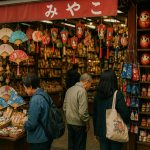
Buy traditional crafts in Asakusa, Tokyo.

Exploring Traditional Crafts in Asakusa, Tokyo

Asakusa, located in the inner folds of the bustling metropolis of Tokyo, offers a rare chance to take a step back in time and engage with the time-honored traditions of Japanese culture. It is a district that perfectly marries the old with the new, with ancient shrines juxtaposed against modern buildings. At the heart of this district is an opportunity to immerse oneself in traditional crafts that not only serve as tangible products but also act as living testimonials to Japan’s vast and colorful artisanal history.

Nakamise Shopping Street

Nakamise Street serves as an artery that leads excited visitors from modern Tokyo into the spiritual oasis of the Senso-ji Temple. This bustling thoroughfare is not merely a passageway but rather a vibrant marketplace, each stall laden with treasures that encapsulate centuries of Japanese cultural practices. From intricately designed sensu or folding fans to the airy, comfortable summer wear of yukata, Nakamise provides a sensory overload of visual delights and tactile experiences. These crafts, while available to tourists, represent consistent efforts to preserve cultural heritage in everyday life.

Japanese Calligraphy

For individuals captivated by the graceful strokes of Japanese calligraphy, Asakusa is an indispensable stop. Specialty shops dedicated to the art form pepper this region, offering a variety of calligraphy tools including high-quality brushes, ink, and paper. For beginners, these items serve as a gateway into the world of calligraphy. Seasoned artists, on the other hand, may find these resources invaluable for advancing their skills. The significance of these shops lies not just in their products, but in their educational aspect: many offer demonstrations or workshops, providing insights into the techniques and philosophies behind this respected art form.

Traditional Pottery

Stepping into the world of traditional Japanese pottery in Asakusa is akin to walking through an unbroken chain of artistic evolution. Reflecting on historical craftsmanship, visitors can find exquisite examples of Kutani and Arita porcelain, characterized by intricate patterns and vibrant color palettes. These ceramics aren’t merely decorative artifacts; their functional design reflects the seamless fusion of beauty and utility. The making of pottery in Japan often involves overglaze techniques which allow for the signature, vivid designs. Through the careful selection and purchase of these pieces, visitors play a part in sustaining this age-old tradition.

The Edo Taito Traditional Crafts Center

The Edo Taito Traditional Crafts Center acts as a custodian of traditional crafts, offering a theatre where these timeless art forms are both exhibited and celebrated. This institution is an omni-platform that explores the depths of local craftsmanship. From the meticulous art of woodblock printing to the diverse textures of textile production, the center functions both as a museum and a vibrant hub for learning. It is where theory meets practice, and visitors find themselves not just observing but actively participating in the creative process. The inclusion of workshops and live demonstrations functions as an invitation to engage directly with artisans, allowing for a personal connection to form between observer and craft. This direct interaction is not just about learning techniques, but about understanding the stories and cultural contexts that give these items their real value.

Antique Shops and Specialty Stores

Beyond the historic Nakamise Street, Asakusa is speckled with a variety of antique shops and specialty stores. These stores harbor an eclectic array of traditional Japanese artifacts, offering shoppers unique souvenirs that go beyond the usual tourist fare. Kokeshi dolls, with their charming wooden simplicity, are emblematic of regional diversity and are often cherished as collector’s items. Similarly, lacquerware captivates with its polished finish and intricate designs, embodying a craft that dates back thousands of years. Noren curtains, which hang in doorways with their classic split design, serve both functional and decorative purposes and reflect the traditional aesthetics of Japanese interior decoration. Each piece available in these stores offers a window into a particular aspect of Japanese culture, be it through their design, their production method, or their usage in historical contexts.

In conclusion, the district of Asakusa operates as more than a tourist destination; it is a bridge to traditional Japan, rejuvenating its streets with the pulse of history and culture. As visitors traverse the bustling streets of Asakusa, they encounter not only tangible goods but the narratives and ethos of Japanese culture itself. Each crafted item represents an ongoing dialogue between past and present, enhancing the cultural fabric of modern Japan while maintaining a respectful homage to its roots. Whether through participatory workshops at the Edo Taito Traditional Crafts Center or leisurely browsing through Nakamise and other stores, one can find a rich tapestry of heritage in this area. Such experiences underscore the importance of preserving these crafts, ensuring they continue to inspire and educate future generations.

Explore vintage shops in Shimokitazawa, Tokyo.

Exploring Vintage Shops in Shimokitazawa, Tokyo

Shimokitazawa, affectionately known as “Shimokita,” is a vibrant district nestled in the heart of Tokyo. It is revered for its bohemian charm, indie music culture, and an eccentric tapestry of boutiques. The essence of the neighborhood is captured beautifully through its myriad of vintage shops, which attract style aficionados and curious explorers from around the globe.

The Appeal of Shimokitazawa

The allure of Shimokitazawa lies in its enchanting collection of vintage stores that cater to a plethora of preferences and fashion styles. Meandering through its narrow alleys, visitors will discover shops offering an impressive diversity, from antique home décor pieces to retro and chic clothing items. What truly sets Shimokita apart is its laid-back yet creative ambiance, providing an alternative shopping experience distinct from the commercial thoroughfares of Tokyo’s bustling areas like Shibuya and Shinjuku. Shimokitazawa embodies a distinctive identity, highlighting a fusion of contemporary and nostalgic elements.

Key Vintage Shops in the Area

A visit to Shimokitazawa would be incomplete without exploring some of its key vintage stores. One such destination is New York Joe Exchange, a former public bathhouse ingeniously transformed into a popular thrift haven. Patrons are drawn by its expansive array of second-hand apparel, all reasonably priced and meticulously curated. Further enriching the area’s vintage scene is Flamingo, a store celebrated for its focus on vintage American fashion and accessories. Flamingo’s offerings range from casual daywear to striking evening pieces, catering to a wide customer base seeking distinct and timeless fashion.

Shopping Experience

Shopping in Shimokitazawa is a leisurely pursuit, contrasting the frenetic pace often associated with shopping in a metropolis. The environment in these boutiques is calm and engaging, allowing visitors to browse meticulously curated selections of vintage items. Unlike more commercial shopping spaces, the collections in these shops are regularly updated, ensuring that every visit yields new and exciting finds. The shop owners often engage with customers, sharing insights about the uniqueness of their offerings and occasionally uncovering fascinating stories behind specific items.

Cultural Significance

Beyond mere retail, the vintage shops in Shimokitazawa serve as cultural anchors within the community. They reflect and nurture the district’s creative spirit, contributing significantly to its status as a nucleus for artists, musicians, designers, and bohemians. This area is more than a shopping destination; it’s a thriving cultural ecosystem where like-minded individuals come together, fostering an environment that champions sustainability and cherishes the aesthetics of bygone eras. The vintage stores, therefore, are not just commercial spaces but platforms for cultural exchange, where every item tells a story and history converges with contemporary creativity.

Visiting Shimokitazawa

Easily reachable by both the Keio Inokashira and Odakyu railway lines, Shimokitazawa is strategically positioned just a few stations away from central Tokyo hubs such as Shibuya. This proximity makes it an accessible and enticing destination for day trips or spontaneous visits. For those planning a trip, it’s worthwhile to note that weekdays offer a more tranquil experience, as weekends can attract crowds of locals and tourists alike. To truly embrace and absorb the unique charm of Shimokita, visitors should allocate several hours to navigate its streets comfortably, unearthing hidden gems and enjoying serendipitous encounters with the unexpected wonders peppered throughout the district. For those seeking additional guidance and tips on navigating Shimokitazawa’s rustic appeal and avant-garde allure, further information can be found here.

In conclusion, Shimokitazawa beckons with its distinctive blend of vintage charm and dynamic culture. Through its eclectic shops and vibrant community, it offers a rare glimpse into Tokyo’s diverse subcultures, merging old-world nostalgia with contemporary flair. For anyone with a penchant for fashion history, artistic exploration, and cultural immersion, Shimokitazawa promises an enriching and memorable journey.

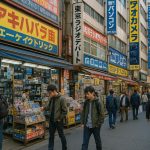
Shop for electronics in Akihabara.

Exploring Akihabara: The Electronics Hub of Tokyo

Akihabara, affectionately known as ‘Akiba’, stands out as the epicenter of Tokyo’s electronics shopping universe. It is a bustling district that presents an incredible assortment of gadgets, ranging from the latest in technology to charming vintage electronics. Whether you identify as a tech enthusiast, a gamer, or simply a curious traveler seeking novel experiences, Akihabara guarantees something intriguing for everyone.

Major Electronics Retailers

Akihabara hosts a variety of large electronics retailers, each presenting a unique shopping adventure. Yodobashi Camera exemplifies one of the prominent locations, sprawling across multiple floors with an extensive collection that includes cameras, computer hardware, smartphones, home appliances, and numerous other electronic goods. This store not only focuses on sales but also offers an immersive electronics experience. For a complete overview of their offerings, their website (Yodobashi Camera) provides valuable insights and details on their physical locations.

Another noteworthy establishment is Bic Camera, praised for its competitive pricing strategy across a wide selection of electronics. Although it may not match the size of Yodobashi, Bic Camera compensates with a diverse array of products, well-organized across several floors. They are keen on delivering quality service, ensuring each visit is both satisfactory and informative. To explore their range and get further information, you can visit their site (Bic Camera).

Specialty Shops and Unique Finds

Besides the major retailers, Akihabara’s charm lies in its numerous specialty shops, which are perfect for individuals on the hunt for unique components or rare finds. A standout location is Radio Kaikan, a multi-story building brimming with specialty stores. Whether you are searching for elusive electronic components or unique gadgets, Radio Kaikan is a pivotal stop on the Akihabara circuit. To learn more about what they offer, visit their online presence here.

Another gem of the district is Super Potato, which caters to those with a penchant for vintage and second-hand electronics. It is especially renowned among gaming enthusiasts and collectors for its robust array of retro video games and classic consoles. Walking through Super Potato can feel like stepping back into the golden ages of electronic entertainment. More about their offerings and nostalgia-inducing products can be found on their Super Potato site.

Navigating Akihabara

Akihabara Station serves as the primary gateway into this electronics wonderland, accessible via multiple train lines including the efficient Yamanote Line. From this station, most significant stores are easily reachable by foot, facilitating an accessible shopping and exploration experience. Visitors are advised to wear comfortable footwear as a substantial amount of walking is typical while navigating through the variety of shops and attractions.

Additional Tips for Shoppers

It is prudent for shoppers to perform price comparisons as costs can differ significantly across stores. Even amidst potential language barriers, most of the larger retailers have measures in place to accommodate non-Japanese speakers through English signage or staff with English proficiency, enhancing the shopping experience for international visitors.

Additionally, many stores promote tax-free shopping options for tourists. Bringing your passport while shopping can lead to substantial savings on eligible purchases, making your shopping experience not only enjoyable but also economically favorable.

In conclusion, Akihabara is more than just a shopping destination; it is an exploration of innovation and nostalgia, harmonizing the historical with the cutting-edge in the realm of electronics. For travelers and tech enthusiasts alike, Akihabara embodies a significant cultural landmark in Tokyo, offering insights, excitement, and numerous opportunities to engage with technology at various levels of interest.